Handmade vs Machine-Made Rugs: Key Differences Every Buyer Should Know

Choosing the right rug can transform a space, adding warmth, texture, and personality. But when shopping for rugs in Miami or online, many buyers face a common question: how to tell if a rug is handmade or machine made? Understanding the difference between handmade rugs and machine-made rugs is essential for making an informed purchase that fits your style, budget, and long-term needs.
At Miami Rugs, we often guide homeowners, interior designers, and real estate professionals through this decision. In this post, I’ll share what makes handmade rugs unique, why construction matters, and how to spot quality in both handmade and machine-made options. Whether you’re drawn to Persian rugs Miami, Moroccan rugs Miami, vintage rugs Miami, or wool rugs Miami, this guide will help you feel confident in your choice.
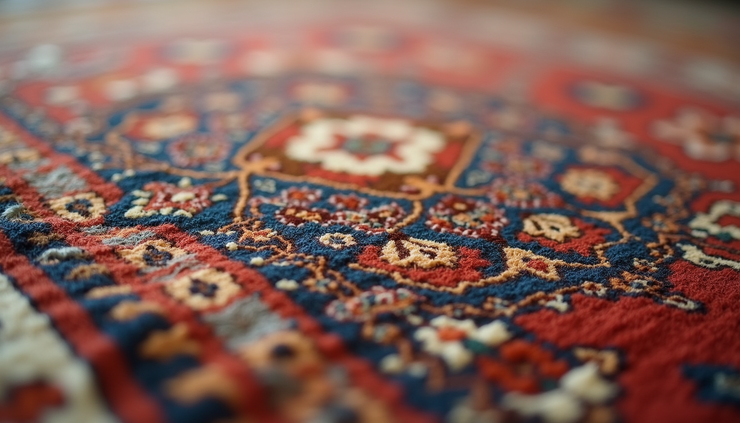
What Makes Handmade Rugs Unique
Handmade rugs are crafted by skilled artisans using traditional techniques passed down through generations. Each rug is a work of art, reflecting the culture, history, and creativity of its maker. Unlike machine-made rugs, handmade rugs often feature:
Individual character and subtle imperfections: Slight variations in knot size, color, or pattern add charm and authenticity.
Natural materials: Wool, silk, and natural dyes are common, contributing to softness, durability, and rich colors.
Complex weaving techniques: Hand-knotting, hand-tufting, and flatweaving create textures and patterns that machines cannot replicate exactly.
These qualities make handmade rugs prized for their craftsmanship and one-of-a-kind designs. Popular handmade rug categories include Persian rugs, Moroccan rugs, Gabbeh rugs, kilims, vintage rugs, and silk rugs.
How Machine-Made Rugs Differ
Machine-made rugs are produced using automated looms and synthetic materials. They offer:
Uniformity and precision: Patterns and colors are consistent across the entire rug.
Lower price points: Mass production reduces costs, making these rugs more accessible.
Variety of styles: Machine-made rugs can mimic traditional designs or offer modern, trendy looks.
While machine-made rugs lack the individual character of handmade pieces, they serve well in high-traffic areas or for buyers on a budget. They are easier to replace and often lighter and more uniform in texture.
Key Differences Between Handmade and Machine-Made Rugs
| Feature | Handmade Rugs | Machine-Made Rugs |
|----------------------|-----------------------------------------------|-------------------------------------------|
| Weaving Technique| Hand-knotted, hand-tufted, flatwoven | Power loom or automated weaving |
| Materials | Natural fibers like wool, silk, cotton | Synthetic fibers like nylon, polyester |
| Durability | Can last decades or centuries with care | Generally less durable, lifespan varies |
| Uniqueness | Each rug is unique with slight imperfections | Uniform and mass-produced |
| Price | Higher due to labor and materials | More affordable due to mass production |
| Fringe | Integral part of the rug, hand-knotted | Often sewn or glued on after production |
| Backing | Visible knots and natural backing | Fabric or latex backing covers knots |
| Pattern Variation| Slight irregularities add character | Perfectly symmetrical and consistent |
| Long-Term Value | Often appreciates or retains value | Usually depreciates over time |
Why Construction Matters
The way a rug is made affects its feel, durability, and how it ages. Handmade rugs use thousands of individual knots tied by hand, which creates a dense, durable surface. This density allows handmade rugs to withstand heavy foot traffic and maintain their beauty for years.
Machine-made rugs rely on speed and efficiency. While they can look attractive initially, they often wear out faster, especially in busy homes. The backing and fringe on machine-made rugs are usually added separately, which can affect longevity.
How to Tell If a Rug Is Handmade
When shopping, especially for handmade rugs Miami or vintage rugs Miami, here are practical signs to check:
Look at the back of the rug: Handmade rugs show individual knots and a clear pattern on the back. Machine-made rugs have a uniform backing, often covered with fabric or latex.
Check the fringe: On handmade rugs, the fringe is part of the rug’s foundation, not sewn on afterward.
Feel the pile: Handmade rugs often have a softer, more varied texture. Machine-made rugs feel more uniform and synthetic.
Notice pattern variation: Slight irregularities in design or color indicate handcrafting.
Ask about origin and materials: Handmade rugs often come from known regions like Persia (Iran), Morocco, or India and use natural fibers.

Handmade Rugs Popular in Miami
Miami’s diverse culture and design scene make it a hotspot for various handmade rug styles:
Persian rugs Miami: Known for intricate floral and medallion patterns, rich colors, and fine knotting.
Moroccan rugs Miami: Featuring bold geometric designs and plush wool pile.
Vintage rugs Miami: Antique or older handmade rugs with unique patina and character.
Wool rugs Miami: Durable and soft, wool is the most common fiber in handmade rugs.
Silk rugs: Luxurious and delicate, often used as accent pieces.
Gabbeh rugs: Simple, colorful, and thick pile, made by nomadic tribes.
Kilims: Flatwoven rugs with bold patterns and no pile.
Each type offers a distinct look and feel, suited for different interiors and lifestyles.
Balancing Budget, Style, and Use
Both handmade and machine-made rugs have their place. If you want a rug that will last for decades, become a family heirloom, or add authentic artistry to your home, handmade rugs are the best choice. They often come with a higher price but offer long-term value and uniqueness.
Machine-made rugs work well for renters, temporary spaces, or high-traffic areas where replacement is easier. They provide a wide range of styles at affordable prices.
How Miami Rugs Can Help You Choose
At Miami Rugs, we specialize in sourcing curated handmade, vintage, modern, and custom rugs for homes, designers, and projects across Miami and South Florida. We understand the nuances of handmade vs machine made rugs and help you find the perfect piece that fits your space and budget.
Our team can guide you through the selection process, explain the origin and materials, and ensure you get a rug that brings lasting beauty to your home.

Checklist to Identify a Handmade Rug
Before buying, use this quick checklist:
Examine the back for visible knots and clear patterns.
Look closely at the fringe to see if it’s part of the rug’s structure.
Feel the texture and pile for softness and variation.
Observe the pattern for slight irregularities.
Ask about the rug’s origin, materials, and weaving technique.
This simple approach helps you distinguish handmade rugs Miami from machine-made options confidently.
Choosing the right rug is more than just picking a design. It’s about understanding the craftsmanship, materials, and value behind each piece. Whether you prefer the timeless elegance of Persian rugs Miami or the bold charm of Moroccan rugs Miami, knowing the difference between handmade and machine-made rugs ensures you invest wisely.
If you want expert advice or want to explore our curated collection, contact Miami Rugs today. We’re here to help you find a rug that fits your style, space, and story.

Comments